Clogged pores are one of the most frustrating skincare issues because they often show up even when you feel like you’re doing everything right. The truth is, many everyday habits and products can quietly contribute to buildup without you realizing it.
Before we get into the biggest pore-clogging mistakes, let’s break down what clogged pores are, how to recognize them, and how your skin type plays a role.
Table of Contents
- What are clogged pores?
- Clogged pores vs acne
- Signs your pores are clogged
- Clogged pores by skin type
- 10 Pore-Clogging Mistakes You’re Probably Making
- Pore-clogging ingredients
- How to unclog pores quickly
- Best treatments for clogged pores
- Do pore strips actually work?
- How to prevent clogged pores
- How long does it take to clear clogged pores?
- Summary
What are clogged pores?
Clogged pores happen when oil (sebum), dead skin cells, and debris get trapped inside your pores instead of shedding naturally. Over time, this buildup blocks the pore opening.
This can lead to blackheads, whiteheads, or small bumps under the skin. Not all clogged pores are inflamed, which is why they can go unnoticed until they turn into breakouts.
Clogged pores vs acne
Clogged pores are the starting point, while acne develops afterward.
A clogged pore is simply blocked. Acne forms when bacteria and inflammation enter the pore, leading to redness, swelling, and sometimes pain.
In simple terms:
- Clogged pores = buildup and blockage
- Acne = clogged pores + bacteria/inflammation
Preventing clogged pores is one of the most effective ways to reduce breakouts overall.
Signs your pores are clogged
Clogged pores are not always obvious, especially in the early stages. Here are common signs to look for:
- Skin feels rough or uneven.
- Small bumps that don’t go away
- Blackheads or whiteheads
- Dull or congested-looking skin
- Makeup doesn’t sit smoothly.
If your skin looks textured rather than inflamed, clogged pores are often the cause.
Clogged pores by skin type
Your skin type plays a major role in why your pores get clogged.
Oily skin tends to produce excess sebum, which mixes with dead skin cells, leading to frequent congestion.
Dry skin can also experience clogged pores from the buildup of dead skin cells that aren’t shedding properly.
Combination skin often deals with clogged pores in specific areas, especially the T-zone (forehead, nose, and chin).
Understanding your skin type helps you choose products that prevent buildup rather than contribute to it.
10 Pore-Clogging Mistakes You’re Probably Making
1. Using products that are too heavy for your skin
Thick creams and heavy oils can sit on the surface and trap oil and debris underneath, especially if your skin is oily or combination.
Fix: Choose lightweight products that absorb easily and match your skin type.
2. Believing “non-comedogenic” means pore-proof
This label is helpful, but not foolproof. There are no federal regulations or rules from the Food and Drug Administration about the use of the word “noncomedogenic” for products like moisturizers and makeup. Which means products can still clog pores, depending on your skin type.
Fix: Pay attention to how your skin reacts rather than relying only on labels.
3. Not cleansing properly
Makeup, sunscreen, and daily buildup can stay on your skin if cleansing is rushed, incomplete or entirely skipped.
Fix: Cleanse thoroughly at night. Double cleansing can help if you wear makeup or sunscreen.
4. Over-cleansing your skin
On the other hand, cleansing too often can strip your skin and trigger more oil production, leading to clogged pores.
Fix: Cleanse twice daily with a gentle formula or avoid using handheld cleanser brushes and opt for your fingers instead.
5. Over-exfoliating
While exfoliation is necessary for smooth skin, too much exfoliation can damage your skin barrier and increase oil production, contributing to buildup.
Fix: Exfoliate a few times per week instead of daily, and avoid combining too many strong actives like aha’s, bha’s, and retinoids.
6. Using too many products
Layering multiple products can overwhelm your skin and trap ingredients in your pores; sometimes, less is more.
Fix: Keep your routine simple and focused on a few effective products.
7. Skipping moisturizer
When skin is dehydrated, it produces more oil to compensate, which can clog pores.
Fix: Use a lightweight moisturizer to keep your skin balanced without leaving it feeling weighed down or sticky.
8. Not cleaning tools and fabrics
Pillowcases, makeup brushes, and towels can collect oil and debris that transfer back onto your skin. Pillowcases and towels should be washed weekly, but it is best to use paper towels or disposable facial towels when drying your face to avoid exposing your skin to fabric that can harbor bacteria. Makeup brushes should be washed every two weeks, depending on your use.
Fix: Clean them regularly to reduce buildup.
9. Touching your face frequently
If you are out all day at work or school, you are probably touching surfaces that are not regularly cleaned. If you are in the habit of touching your face throughout the day, you could be unknowingly transferring dirt and oil from your hands to your skin.
Fix: Be mindful of this habit and avoid unnecessary contact.
10. Using the wrong sunscreen (or skipping it)
Heavy sunscreens can clog pores, while skipping sunscreen can lead to skin thickening over time, making pores harder to clear.
Fix: Choose a lightweight sunscreen that works for your skin type.
Pore-clogging ingredients
Some ingredients are more likely to clog pores, especially for acne-prone skin. When choosing a sunscreen or moisturizer, you may find it beneficial to use one that is free of these ingredients or that appears toward the bottom of the ingredient list.
Common culprits include thicker oils like coconut oil, certain emollients such as isopropyl myristate and its derivatives. and heavy occlusives in rich creams. Some silicones can also feel too heavy for certain skin types, even though they are not universally pore-clogging.
It is important to remember that ingredient reactions vary. What clogs pores for one person may not affect another. The key is paying attention to how your skin responds.
How to unclog pores quickly
To unclog pores, you need to break down the buildup inside them while preventing new congestion.
Salicylic acid is one of the most effective ingredients because it penetrates into the pores and dissolves oil. Retinoids help by increasing cell turnover, preventing dead skin cells from accumulating, and clay masks can help to absorb excess oil.
While you may see small improvements within a few days, consistent use over time is what leads to clearer skin.
Best treatments for clogged pores
The best treatments focus on exfoliation and prevention.
Chemical exfoliants like salicylic acid help clear out pores, while retinoids regulate skin cell turnover. Clay-based treatments can also help absorb excess oil.
Professional treatments such as chemical peels or facials can provide a deeper reset for congested skin when needed.
Do pore strips actually work?
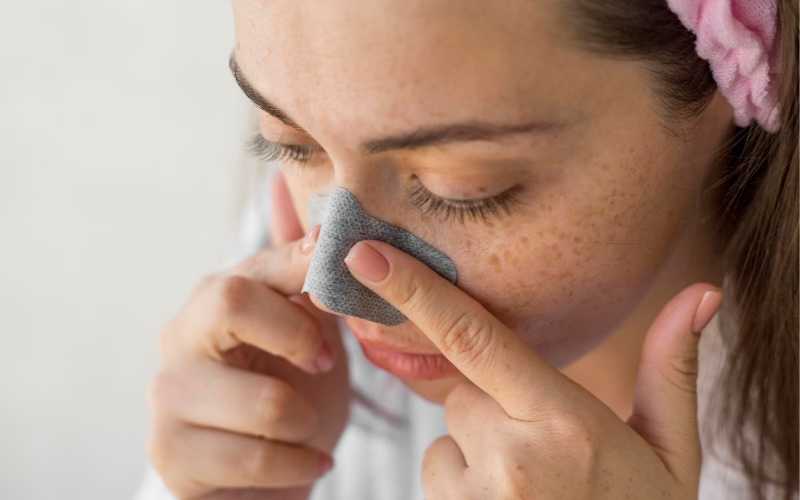
Pore strips can remove surface-level buildup, especially blackheads, but they are only a temporary solution.
They do not prevent pores from clogging again and can sometimes irritate the skin if used too often. They are best used occasionally rather than as a primary treatment.
How to prevent clogged pores
Preventing clogged pores comes down to consistency and balance.
Keep your routine simple, cleanse properly, exfoliate gently, and use products suited to your skin type. Avoid overloading your skin and pay attention to how it reacts to different ingredients.
Small daily habits, like keeping fabrics clean and avoiding touching your face, also make a big difference.
How long does it take to clear clogged pores?
Clogged pores do not disappear overnight, even with the right routine.
In the first one to two weeks, you may notice a smoother texture and less congestion. By four to six weeks, pores typically appear clearer and breakouts become less frequent. With consistent care over eight weeks or more, results become more stable and easier to maintain.
Patience is key. Consistency with the right products and habits will always outperform quick fixes.
Summary
Clogged pores are often caused by small, everyday habits rather than one major mistake. Identifying the early signs of clogged pores and the potential mistakes you are making is the key to restoring smooth, healthy skin.
Best practices include properly cleansing, exfoliating safely, and avoiding heavy ingredients like coconut oil that can clog pores. By creating a routine tailored to your skin type with clog-busting ingredients like salicylic acid, you can prevent buildup, unclog pores quickly, and avoid acne breakouts.