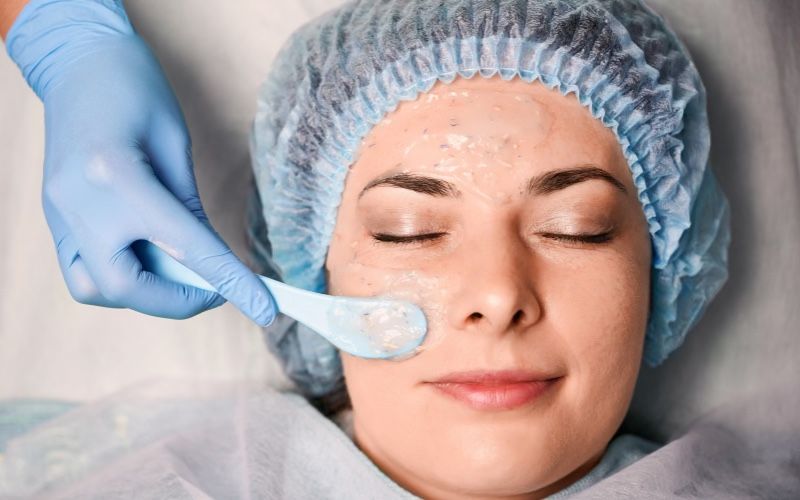
Chemical peels are a popular non-surgical way to improve many common skin problems, ranging from fine lines and wrinkles to hyperpigmentation and acne. But a good chemical peel can leave your skin in a fragile state, and as it heals, it’s important you don’t take any steps that could jeopardize your results.
For chemical peel aftercare, it’s important to follow a simple routine and to expect some redness and peeling, but there is a difference between expected healing and an allergic reaction. Understanding what’s normal and which rules you need to follow will help you protect your results, avoid complications, and support your skin as it renews itself.
Table of Contents
- What to Expect After a Chemical Peel
- Chemical Peel Healing Stages
- Exercising After a Chemical Peel?
- Chemical Peel Aftercare Skin Routine
- Aftercare for Darker Skin Tones
- The Do’s and Don’ts of Chemical Peel Aftercare:
- Accidentally Over-Exfoliated
- Why Is My Skin Breaking Out After a Peel?
- What Are Signs of Infection?
- What Does an Allergic Reaction Look Like ?
- My Skin Isn’t Peeling ?
- How Often Should You Get Chemical Peels
- How Long Do Results Last
- Summary:
What to Expect After a Chemical Peel
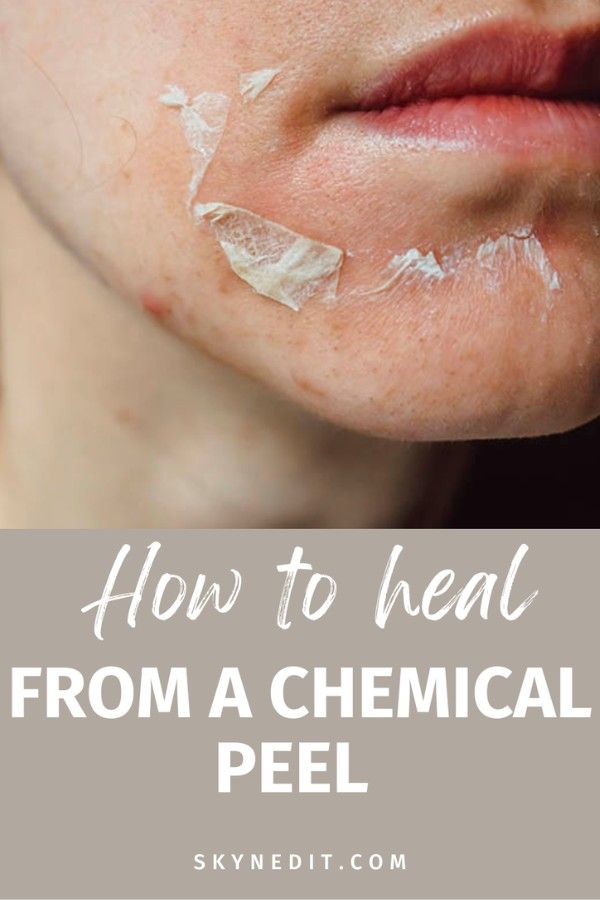
What happens after a chemical peel depends on the strength of the peel. In general, your skin will go through a controlled healing process that includes redness, tightness, and peeling before revealing smoother, brighter skin underneath.
Immediately after your peel, you may notice:
- Redness (similar to a mild sunburn)
- Warmth or tingling
- Tight or dry feeling skin
Peeling typically begins within a few days, depending on the depth of the treatment.
Chemical Peel Healing Stages
The healing process for a chemical peel varies by peel strength. A superficial peel that uses glycolic or lactic acid typically heals within a week.
Light peel
Healing timeline:
- Day 1–2: Mild redness and dryness
- Day 2–4: Light flaking or micro-peeling
- Day 5–7: Skin looks brighter and smoother
Downtime is minimal, and many people return to normal activities immediately.
Medium Peel
For a medium peel, the healing process is often twice as long as for a superficial peel. Medium peels often use stronger acids, such as TCA (trichloroacetic acid).
Healing timeline:
- Day 1–3: Redness, swelling, tightness
- Day 3–7: Visible peeling and shedding
- Week 2: Pink, fresh-looking skin as peeling resolves
You may need several days of social downtime.
Deep peel
A deep chemical peel is the most intense type of chemical peel. It is designed to treat severe skin issues such as deep wrinkles, sun damage, and scars by reaching the lower dermal layers. Medical professionals often use carbolic acid when performing the procedure, and patients can expect the healing process to take several months.
Healing timeline:
- First week: Significant redness, swelling, crusting
- Weeks 2–3: Peeling subsides, skin remains pink
- Several weeks to months: Full recovery and collagen remodeling
Downtime is substantial and requires strict aftercare. Even after visible peeling stops, your skin may remain sensitive for several weeks.
Speeding Up the Healing Process?
You can’t rush skin regeneration, but you can optimize healing.
What Helps Healing:
✔ Keep skin moisturized; dry skin peels longer
✔ Use barrier-repair ingredients (ceramides, panthenol, glycerin)
✔ Avoid actives until fully healed
✔ Wear sunscreen daily
✔ Stay hydrated
✔ Get adequate sleep (skin repairs at night)
Exercising After a Chemical Peel?
How long you should wait to exercise after a chemical peel depends on the strength of your peel.
Light (Superficial) Peel
You can usually resume light exercise after 24 hours. However, avoid intense cardio, hot yoga, or anything that causes heavy sweating for at least a day. Sweat and heat can increase irritation and prolong redness.
Medium Peel
Wait about 3–5 days before returning to strenuous workouts. Increased blood flow, heat, and sweat can worsen swelling and discomfort.
Deep Peel
Avoid exercise for at least 1–2 weeks or until your provider clears you. Deep peels require strict downtime.
Why wait?
Heat, sweat, and friction can:
- Increase inflammation
- Trigger stinging
- Slow barrier recovery
- Raise the risk of hyperpigmentation.
When you return to exercise, cleanse gently afterward and reapply moisturizer.
Chemical Peel Aftercare Skin Routine
After a chemical peel, your skin is more sensitive, vulnerable, and focused on healing. A good chemical peel aftercare routine will prioritize protecting , hydrating, and repairing your skin.
Morning Routine (Post-Peel)
- Gentle Cleanser
- Use a mild, fragrance-free cleanser. Avoid foaming or exfoliating formulas.
- Hydrating Serum (Optional)
- Look for hyaluronic acid or glycerin to maintain moisture.
- Barrier-Repair Moisturizer
- Choose a cream with ceramides, panthenol, or soothing ingredients.
- Broad-Spectrum Sunscreen (SPF 30+)
- This is non-negotiable. Your skin is highly sun-sensitive after a peel.
Night Routine (Post-Peel)
- Gentle Cleanser
- Simple Moisturizer
- Optional Occlusive (if very dry) Occlusives are skincare ingredients that form a protective barrier on the skin’s surface to reduce moisture loss.
- A thin layer of petrolatum can help seal in moisture during the first few nights.
What to Avoid Temporarily
For at least 5–10 days (or until fully healed), avoid:
- Retinoids
- AHAs, BHAs, PHAs
- Vitamin C (especially strong formulas)
- Physical scrubs
- Acne spot treatments
- Fragrance-heavy products
Your skin barrier needs time to rebuild before reintroducing actives.
- Light peel: Resume activities in about 5–7 days
- Medium peel: Wait 10–14 days
- Deep peel: Follow your provider’s guidance carefully
Always reintroduce active ingredients slowly.
Aftercare for Darker Skin Tones
Darker skin tones are more prone to developing irritation or inflammation after a chemical peel. People with darker skin tones should be more gentle with their skin post-procedure and should follow these precautions to prevent post-inflammatory hyperpigmentation.
Key considerations:
- Strict sun protection is critical. Even minimal UV exposure after a peel can trigger dark spots. Use broad-spectrum SPF 30+ daily and reapply. Avoid the sun if possible.
- Avoid picking or friction. Trauma to healing skin increases the risk of pigmentation changes.
- Go slower with actives. Reintroduce retinoids and exfoliants gradually to avoid inflammation.
- Consider pigment-supporting ingredients later. Once fully healed, ingredients like azelaic acid or niacinamide can help maintain even tone.
Chemical peels are safe for darker skin tones, but unmanaged inflammation can hinder healing.
The Do’s and Don’ts of Chemical Peel Aftercare:
To get the most out of your chemical peel, remember that less is more. Focus on hydration, barrier repair, and sun protection. The peeling phase may look dramatic, but resisting the urge to interfere ensures better results, smoother, brighter, healthier-looking skin once healing is complete. Here are some dos and don’ts to consider on your healing journey:
DO:
✔ Keep your routine minimal
✔ Moisturize frequently
✔ Wear sunscreen every day
✔ Let peeling skin shed naturally
✔ Sleep on clean pillowcases
✔ Follow your provider’s specific instructions
DON’T:
✘ Pick, peel, or scrub flaking skin
✘ Use harsh cleansers or exfoliants.
✘ Skip sunscreen
✘ Exercise heavily the first 24–48 hours (heat can increase irritation)
✘ Wax, thread, or use hair removal creams
✘ Introduce new active ingredients too soon.
Accidentally Over-Exfoliated
Over-exfoliating after a peel can compromise your skin barrier and delay recovery. This may happen if you:
- Restart retinol too soon.
- Use exfoliating acids prematurely.
- Scrub or pick peeling skin.
- Use harsh cleansers
Signs You’ve Over-Exfoliated:
- Shiny, tight-looking skin
- Increased redness
- Stinging when applying basic products
- Flaking combined with irritation
- Sudden sensitivity to products that normally don’t sting
How to Fix It
The solution is simple: stop all actives immediately and focus on barrier repair.
Step 1: Simplify Your Routine
- Gentle, fragrance-free cleanser
- Barrier-repair moisturizer (ceramides, panthenol, glycerin)
- Broad-spectrum sunscreen
Step 2: Add Soothing Support
- Use a bland, occlusive layer at night if needed.
- Avoid hot water and heat exposure.
Step 3: Give It Time
Barrier recovery can take a few days for mild irritation and 1–2 weeks for more significant disruption. If skin becomes increasingly painful, develops blisters, or shows signs of infection, contact your provider.
Why Is My Skin Breaking Out After a Peel?
Breaking out after a chemical peel is normal and often temporary. It can happen for a few reasons:
1) Purging
If the peel accelerates cell turnover, it may bring clogged pores to the surface faster. Purging typically Happens in areas where you normally break out and usually appears within 1-2 weeks. However the great thing is that it typically clears up faster than other types of acne.
2) Barrier Disruption
If the peel was too strong or aftercare wasn’t gentle enough, your skin barrier may be compromised. This can lead to inflammation-related breakouts.
3) Heavy Aftercare Products
Very thick occlusives used during healing can clog pores in acne-prone skin.
If breakouts persist beyond 4–6 weeks, spread to new areas, or feel cystic and painful, it may not be purging, and you should consult your medical provider.
What Are Signs of Infection?
True infection after a chemical peel is uncommon but possible, especially if the skin was picked or exposed to bacteria.
Seek medical attention if you notice:
- Increasing pain (not just tenderness)
- Yellow or green discharge
- Pus-filled blisters
- Fever
- Expanding redness beyond treated areas
- Crusting with warmth and swelling
Mild redness, flaking, and tightness are normal. Severe pain, spreading redness, or discharge are not.
What Does an Allergic Reaction Look Like ?
An allergic reaction is different from normal post-peel redness and peeling. While mild irritation is expected, an allergic response is more intense and often spreads beyond the treated area.
Common Signs of an Allergic Reaction:
- Sudden swelling (especially around eyes or lips)
- Raised hives or welts
- Intense itching (not just mild tingling)
- Blistering that looks uneven or patchy.
- Rash spreading beyond the peel area
- Burning that worsens instead of improving.
Emergency Warning Signs (Seek Immediate Care):
- Difficulty breathing
- Throat tightness
- Severe facial swelling
Mild redness and flaking are normal. Rapid swelling, hives, and widespread itching are not.
My Skin Isn’t Peeling ?
Yes! Peeling is not the only indicator of effectiveness. Light or superficial peels often cause micro-exfoliation, meaning you may not see dramatic shedding. However, you can still experience noticeable results, such as a brighter skin tone, smoother texture, and clearer pores.
Deeper peels typically produce visible peeling, but even then, intensity varies by skin type and product strength. It’s important to remember peeling is a side effect, not the goal. The goal is controlled cell turnover and skin renewal.
How Often Should You Get Chemical Peels
Frequency depends on peel strength:
- Light peels: Every 4–6 weeks
- Medium peels: Every 3–6 months
- Deep peels: Usually once, with long-term results
Overdoing peels can weaken your skin barrier and increase your risk of hyperpigmentation. Your provider should assess tolerance and goals before scheduling repeat treatments.
How Long Do Results Last
Results vary by concern and lifestyle habits. But you can expect Brightness and smoothness to last Several weeks to a few months. A reduction in fine lines and stimulation of collagen (medium/deep peels) can last several months to years. Hyperpigmentation may take several sessions to improve.
Sun exposure, skincare routine, and whether you continue using supportive ingredients (like retinoids once healed) significantly impact longevity.
Summary:
Post-peel redness and flaking are normal, but severe swelling, hives, intense itching, or spreading rash may signal an allergic reaction and require medical attention. Over-exfoliation during healing can cause tight, shiny, irritated skin and increased sensitivity. If this happens, stop all active ingredients immediately and focus on gentle cleansing, barrier-repair moisturizers, and daily sunscreen. With proper care and patience, most irritation resolves within days to two weeks as the skin barrier recovers.