Exfoliation is one of the most talked-about topics in skincare. From social media routines to dermatologist recommendations, exfoliation is a must have step to achieving smooth, radiant, healthy-looking skin. But when it comes to choosing between physical vs chemical exfoliation, many people aren’t sure which one their skin really needs. From gentle scrubs that instantly soften the surface to acids that work deep within pores, each method offers unique benefits. Understanding how they work, when to use them, and how to combine them safely will put you on the path for achieving brighter, clearer, and more even-looking skin without irritation.
Table of Contents
- What is Physical exfoliation?
- What is chemical exfoliation?
- Exfoliation Benefits
- What’s the difference between physical and chemical exfoliators
- The types of physical exfoliators
- The types of chemical exfoliators
- How to determine which exfoliator is best for you
- A Physical and chemical exfoliation routine
- Over exfoliation
- Summary
What is Physical exfoliation?
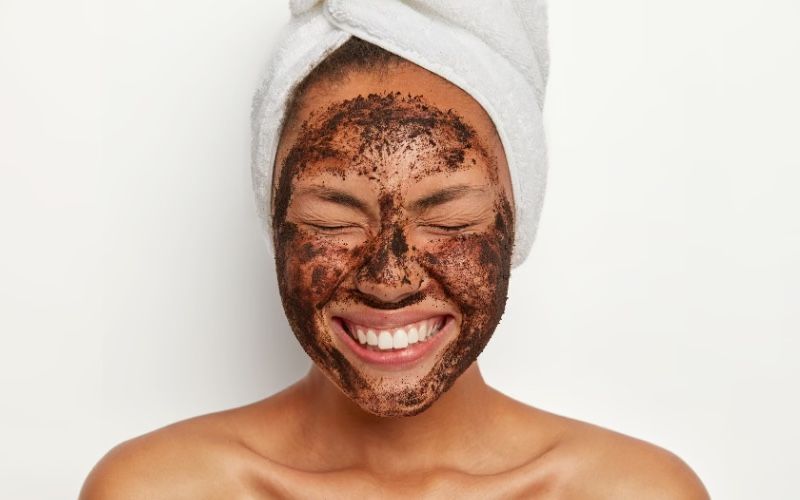
Physical exfoliation (also called mechanical exfoliation) is a skincare method that uses a tool or textured substance to manually slough off dead skin cells from the skin’s surface.
It works by rubbing or polishing the skin, which helps to:
- Unclog pores
- Smooth texture
- Reveal fresher, brighter skin underneath.
What is chemical exfoliation?
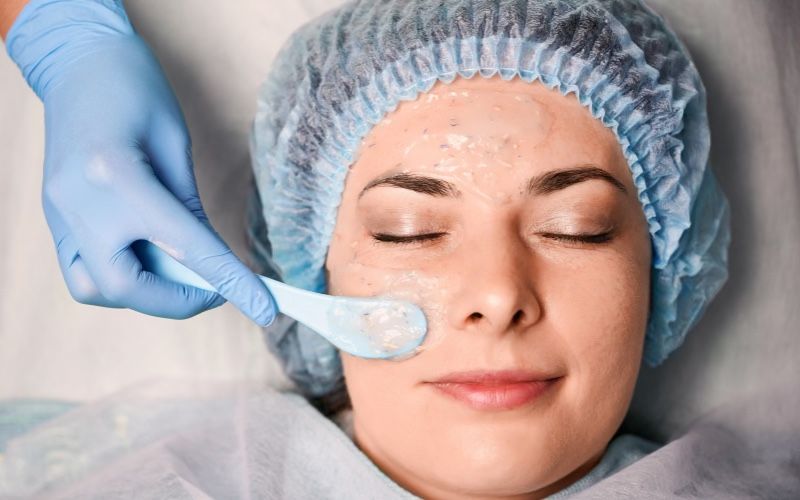
Chemical exfoliation is the process of using acids or enzymes to dissolve the bonds that hold dead skin cells together, allowing them to shed more evenly.
Common types include:
- AHAs (Alpha Hydroxy Acids) – like glycolic or lactic acid; best for dry or sun-damaged skin
- BHAs (Beta Hydroxy Acids) – like salicylic acid; oil-soluble, great for acne-prone skin
- PHAs (Polyhydroxy Acids) – gentler acids suitable for sensitive skin
Exfoliation Benefits
Your skin naturally sheds dead cells about every 28 days, but that process slows with age, stress, and environmental damage. When dead cells build up, skin can look dull, feel rough, and break out more easily.
Regular exfoliation helps:
- Improve skin brightness and glow.
- Unclog pores and reduce breakouts
- Smooth fine lines and uneven texture
- Boost absorption of serums and moisturizers.
- Promote more even skin tone.
The key is consistency. A good starting point is 1–3 times per week, depending on your skin type and the strength of your products.
What’s the difference between physical and chemical exfoliators
Physical exfoliation works on the surface. Chemical exfoliation works on a cellular level. Many dermatologists prefer chemical exfoliants because they’re more uniform and less likely to irritate when used correctly. However, both can smooth texture, brighten tone, unclog pores, and stimulate cell turnover.
The types of physical exfoliators
Physical exfoliators remove dead skin cells by manually scrubbing or brushing them away. They vary in intensity and texture:
1) Face Scrubs
- Contain small particles (sugar, salt, jojoba beads, rice powder)
- Instantly smooth skin
- It can be too harsh if the particles are rough or used aggressively.
2) Exfoliating Brushes & Tools
- Manual brushes or electric cleansing devices
- Help lift buildup and cleanse deeper.
- Best used gently to avoid irritation
3) Exfoliating Cloths & Sponges
- Washcloths, konjac sponges, textured pads
- Mild and good for sensitive skin if used lightly
4) Peeling Gels (Gommage)
- Form little flakes when rubbed on the skin.
- Physically roll away dead cells without gritty particles.
- Generally gentler than scrubs
5) Body Exfoliators
- Loofahs, dry brushes, and body scrubs
- Designed for thicker skin on arms, legs, and back
The types of chemical exfoliators
Chemical exfoliators use acids or enzymes to dissolve dead skin cells rather than scrubbing them off. The different types include:
AHAs (Alpha Hydroxy Acids) – Surface-level exfoliation
Glycolic acid: best for brightening skin and smoothing out texture
Lactic acid: a gentler alternative while providing hydration
Best for: dry, dull, or aging skin
BHAs (Beta Hydroxy Acids) – Penetrate pores
Salicylic acid: reduces oil and acne
Best for: oily, acne-prone skin and clogged pores
PHAs (Polyhydroxy Acids) – Very gentle surface exfoliation
Larger molecules are less irritating.
Best for: sensitive or reactive skin
Enzyme Exfoliants – Break down dead skin with natural enzymes
Often derived from fruits.
Best for: sensitive skin that can’t tolerate acids
Combination Formulas
Mix AHAs and BHAs for both surface smoothing and pore-clearing.

How to determine which exfoliator is best for you
Choosing the right one depends on your skin type, sensitivity, and goals.
1) Consider Your Skin Type
- Oily or acne-prone:
- BHAs are usually most effective because they clear pores and control oil.
- Dry or dull:
- AHAs help remove flaky buildup and boost radiance.
- Sensitive:
- PHAs or enzyme exfoliants are the safest place to start.
- Normal/combination:
- You can use either type, depending on whether your main concern is texture or clogged pores.
2) Think About Your Skin Goals
- Brighter skin: AHAs
- Fewer breakouts: BHAs
- Smoother texture: Either, but chemical is often more even
- Quick smooth feel: Physical exfoliator
- Anti-aging support: AHAs to help with cell turnover
3) Pay Attention to Sensitivity
- If your skin gets red easily → start with gentle chemical exfoliants 1–2 times a week.
- If scrubs leave your skin stinging → switch to chemical
- If acids feel too strong → try enzyme or PHA formulas.
4) Start Slow
No matter what you choose:
- Begin 1–2 times per week.
- Watch for irritation or dryness.
- Increase gradually if your skin tolerates it.
A Physical and chemical exfoliation routine
1) Don’t use both exfoliators on the same body part on the same day.
Layering a scrub and an acid together can over-exfoliate your skin, causing redness, dryness, and breakouts—instead, alternate between them.
Example weekly schedule:
- Monday: Chemical exfoliant
- Wednesday: Chemical exfoliant
- Saturday: Physical exfoliant
This gives your skin time to recover between treatments.
This applies to exfoliating the same body part. It’s safe to use a body scrub and an AHA serum on your face on the same night.
It is best to use chemical exfoliants at night because they can increase sun sensitivity to UV rays. It’s recommended to wear sunscreen with at least an SPF 30+ to properly protect your skin, especially on the days following nightly treatments.
Over exfoliation
While exfoliators can leave your skin feeling smooth and refreshed, using them too frequently can lead to over-exfoliation, a condition where the skin’s protective barrier becomes damaged from excessive removal of surface cells. The outermost layer of the skin acts as a barrier that helps retain moisture and protect against bacteria, irritants, and environmental stress. When this layer is exfoliated too aggressively or too often, the skin may struggle to maintain hydration and protect itself properly.
How to prevent
- Limit Frequency: Start with once a week, gradually increasing only if your skin tolerates it.
- Start Gentle: Begin with low-strength chemical exfoliants like lactic or salicylic acid for chemical exfoliation and use sugar or botanical scrubs over salt for physical exfoliation.
- More is not always better: You may feel tempted to use an exfoliating cleanser, toner, and serums together to “speed up results” but in actuality that combination will only speed up skin damage.
- Hydrate Immediately: Apply a nourishing moisturizer after exfoliation to replenish the skin barrier.
- Patch Test: Always test new products on a small area first.
Side Effects
- Persistent redness or sensitivity,
- Dry, tight, or flaky skin, despite regular moisturizing.
- Burning or stinging sensations when applying products
- shiny or overly smooth skin, can be a sign that too much of the protective outer layer has been removed.
- Breakouts: over-exfoliation can strip away the skin’s natural oils, triggering the sebaceous glands to produce more sebum as overcompensation.
Solutions
If over-exfoliation occurs, the most important step is to stop exfoliating temporarily to allow the skin time to repair itself. During this recovery period, it is best to focus on gentle, hydrating skincare products that help restore the skin barrier. Look for moisturizers containing ingredients such as ceramides, hyaluronic acid, glycerin, and aloe can help replenish lost moisture and support barrier repair. Vitamin C can also soothe and help to expedite the healing process. In addition, avoiding foaming cleansers, strong active ingredients, or additional exfoliants can reduce irritation while the skin heals.
Once the skin has recovered, exfoliation can be reintroduced more gradually using gentle pressure.
Summary
Overall, physical and chemical exfoliation are great ways to achieve smooth, healthy, and glowing skin. When choosing between physical vs chemical exfoliation, it’s important to determine your skin type and desired goal. Limit physical exfoliators to once weekly to remove surface buildup, and apply chemical exfoliants one to three times weekly to promote cell turnover. Avoid using both on the same day to prevent irritation. Choose formulas suited to your skin type, start slowly, and follow with moisturizer and sunscreen. Consistent, gentle use improves texture, clarity, and product absorption over time for long-term skin health benefits.