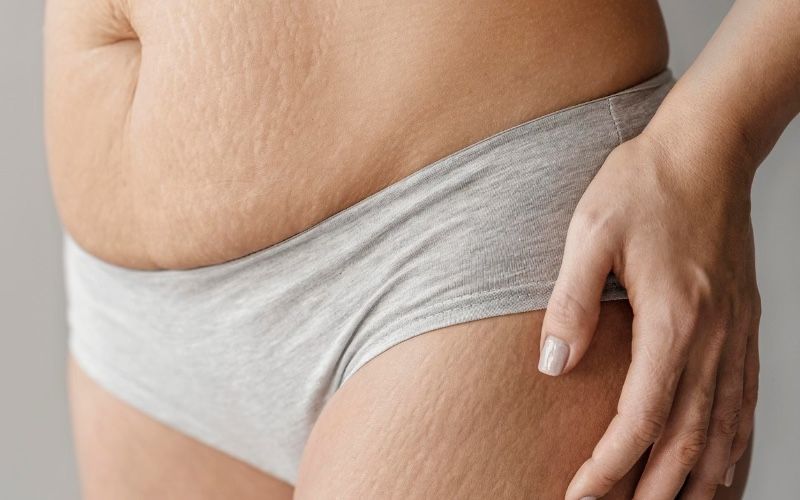
Tiger stripes, love lines, battle scars; there are countless nicknames for these scars, but they are best known to many women and men as stretch marks. While some see these lines as meaningful reminders of personal growth or life’s transformations, others view them as cosmetic flaws they’d rather do without. The good news is that these marks often fade naturally over time, and various treatments can help them become even less noticeable.
What are stretch marks?
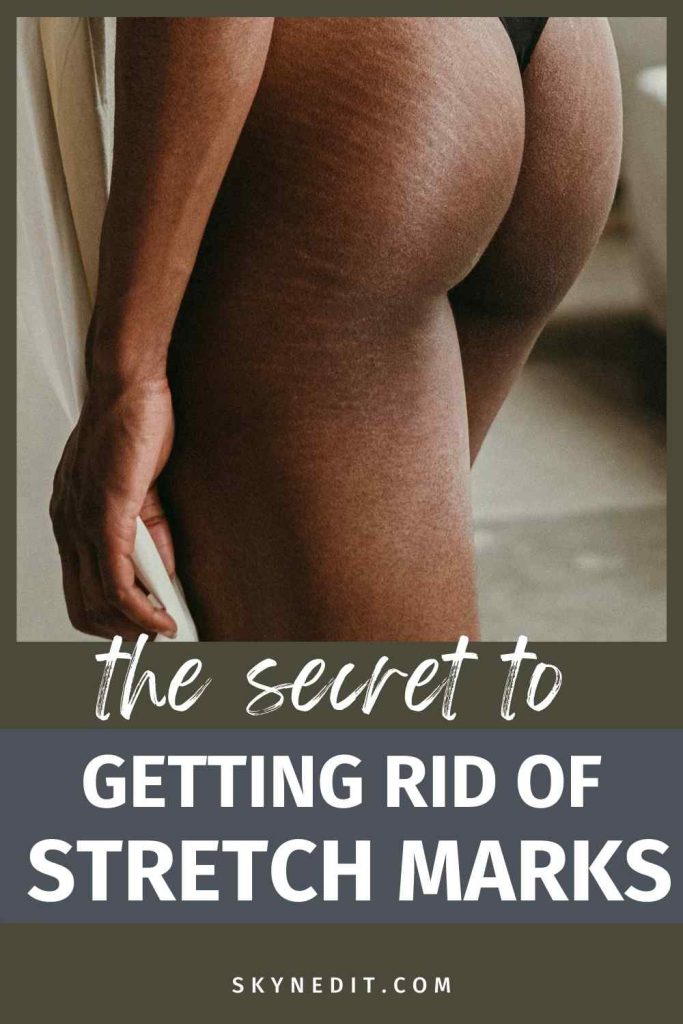
According to the American Academy of Dermatology, Stretch marks occur when the middle layer of the skin, also known as the dermis, is stretched too quickly. Elastic fibers, such as collagen, can’t keep up and begin to rip, forming visible streaks that can be red, purple, dark brown, or pink, depending on your skin tone. Over time, older stretch marks will often become white, silvery, or beige.
Stretch marks causes
The most common causes are:
- Growth spurts during puberty
- Pregnancy
- Weight gain from bingeing
- Muscle gain from weight lifting
Less common causes:
- Hormonal factors: increased cortisol levels can weaken elastic fibers in the skin.
- Genetics
- Use of corticosteroids: Long-term topical or oral steroids can thin the skin.
Are stretch marks permanent?
The appearance of the stretch marks is not permanent, but the internal damage caused to the dermis layer of the skin is permanent. This is because stretch marks occur when the collagen and elastin in the dermis layer are stretched beyond repair and can not be entirely rebuilt.
Damage to the epidermis, the top layer of your skin, can be repaired, reducing the appearance of lines on your body. However, if a doctor were to slice you open for surgery, they would be able to see the layers of damage lurking underneath.
How to remove stretch marks
There are several stretch marks treatment methods, ranging from at-home treatments to in-house cosmetic procedures, can be used to fade stretch marks, with varying levels of effectiveness.
As always, consult with your doctor or dermatologist before proceeding with any treatments.
Creams and Oils:
Many stretch mark creams and oils on the market claim to reduce or fade stretch marks. It is best to look at creams or oils that contain some of the following ingredients:
- Hyaluronic acid
- Cocoa butter
- Vitamin E oil
- Almond oil
- Centella Asiatica extract
- Jojoba oil
Many of these ingredients are known for their moisturizing and healing properties, which help improve skin elasticity and texture.
Retinoid creams:
Retinol, derived from vitamin A, helps rebuild collagen.
Retinol creams are best suited for newer stretch marks and are not advised for pregnant women as they may cause harm to unborn fetuses.
Lasers:
Fractional or pulsed dye lasers are a treatment recognized by the American Academy of Dermatology.
The lasers use focused light energy to stimulate the damaged collagen and elastin in the dermis layer.
Pulse dye lasers can lighten the color of newer stretch marks, while fractional lasers can improve the texture of older white stretch marks.
Microdermabrasion
Microdermabrasion is a hand-held device that removes dead skin cells and stimulates the skin underneath to produce new collagen and elastin.
It can help improve the texture and appearance of newer and older stretch marks.
Microneedling
Microneedling, also known as derma rolling or collagen induction therapy, is a hand-held device with tiny needles that create controlled micro-injuries in the skin. Unlike other treatments mentioned on this list, some microneedles, 1.0mm or longer, are deep enough to reach the dermis layer, where stretch marks live and produce new collagen and elastin.
This treatment can significantly reduce the appearance of both newer and older stretch marks over time. While this treatment can be done at home, it is best to go to a professional when using micro-needles longer than 0.5mm.
How long does it take to fade stretch marks?
Regardless of which method you choose to fade your stretch marks, it is essential to note that it will take several months of consistent use to see significant results. There is no quick overnight fix.
How to prevent stretch marks
There is no foolproof way to prevent stretch marks, but there are some steps that can be taken to minimize your chances of getting new stretch marks or worsening pre-existing stretch marks.
It is recommended that you use moisturizing lotions and creams, drink water daily to keep the body and skin hydrated, and eat a balanced diet with a focus on foods rich in vitamin C, zinc, vitamin E, protein, and omega-3s to support collagen production.
Summary
Stretch marks form when the dermis stretches quickly, causing collagen and elastic fibers to tear and leave red, purple, or silvery lines. Common causes include puberty, pregnancy, weight changes, genetics, and steroid use. While the internal skin damage is permanent, their appearance often fades over time. Treatments like creams, retinoids, lasers, microneedling, and microdermabrasion can help remove stretch marks. Consistent skincare, hydration, balanced nutrition, and steady weight management may help minimize the appearance of new stretch marks.