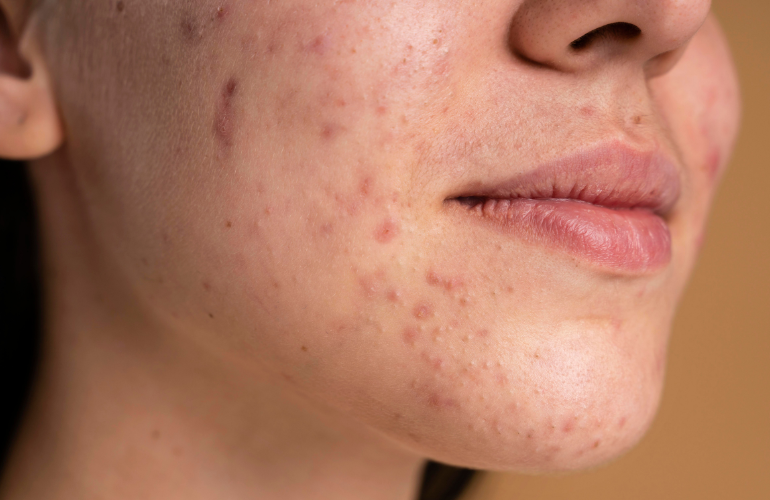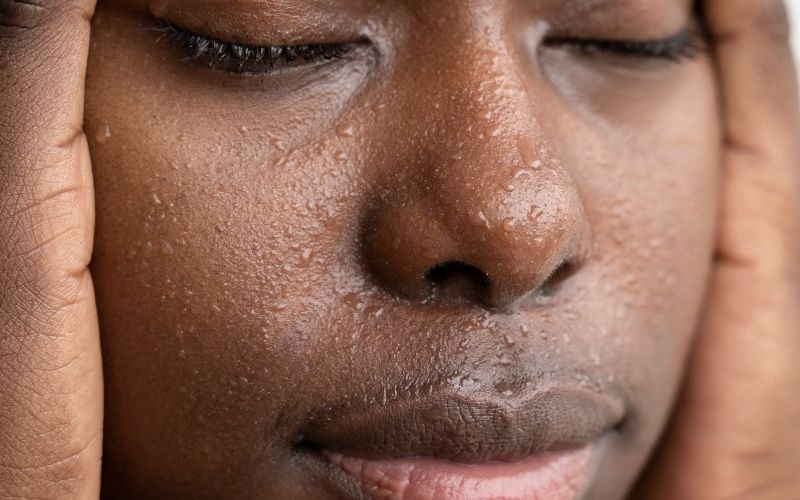
Soft, supple, and hydrated skin. The holy trinity needed to keep skin looking flawless and ageless beyond our years. But having hydrated skin is easier said than done. Many factors can lead to dry, parched skin, but luckily there are many solutions to keeping hydrated skin.
The following tips are easy to integrate into your daily routine and will overtime improve skin hydration. But before you solve a problem, you first have to understand the cause behind it.
Table of Contents
What causes dry skin?
Environmental factors:
- If it is winter time or if you live in a cool or dry climate, then low humidity is often the culprit for dry skin by pulling moisture from the skin into the surrounding air.
- Indoor heating and air conditioning systems also reduce indoor humidity, which dries out the skin.
Natural aging process:
As you age, your skin produces less oil (sebum) and retains less water, which can make dryness more common.
Lifestyle & habits
- Washing your face with hot water can lead to prolonged exposure and strip your skin of its natural oils. If you’re not in the habit of moisturizing after bathing, this will exacerbate the dryness.
- Harsh facial cleansers can also damage the skin barrier, further drying it out.
- Not drinking enough water can lead to dehydrated skin.
- Swimming in chlorinated pools can strip natural oils from the skin and raise its pH.
Underlying skin conditions
- Eczema weakens the skin barrier and makes it more prone to dryness.
- Psoriasis: scaly, dry skin patches.
- Ichthyosis is a group of genetic disorders that cause extremely dry, thickened skin.
Medical conditions or medications
Some medical conditions can also contribute to skin dryness.
- Diabetes & kidney disease can affect skin hydration.
- Hypothyroidism slows down metabolism, reducing sweat & oil production.
- Certain medications, such as diuretics, acne treatments (e.g., isotretinoin), and cholesterol drugs, can contribute to dryness.
Moisturizing vs hydrating?
Many people think moisturization and hydration are the same thing. While both are important for combating dry skin, each concept plays a different role in your skin routine.
To hydrate the skin is to increase the water content inside your skin cells, so they look plump, healthy, and bouncy.
Hydrating ingredients are called humectants. They draw water into the outer layer of the skin from deeper layers or from the surrounding air.
On the other hand, moisturisers help seal in water. Moisturizers often include emollients to smooth & softened skin and occlusives to form the final seal.
In a skincare routine, hydraters are typically found in the serum stage, which is always followed by a moisturizer to seal it in.
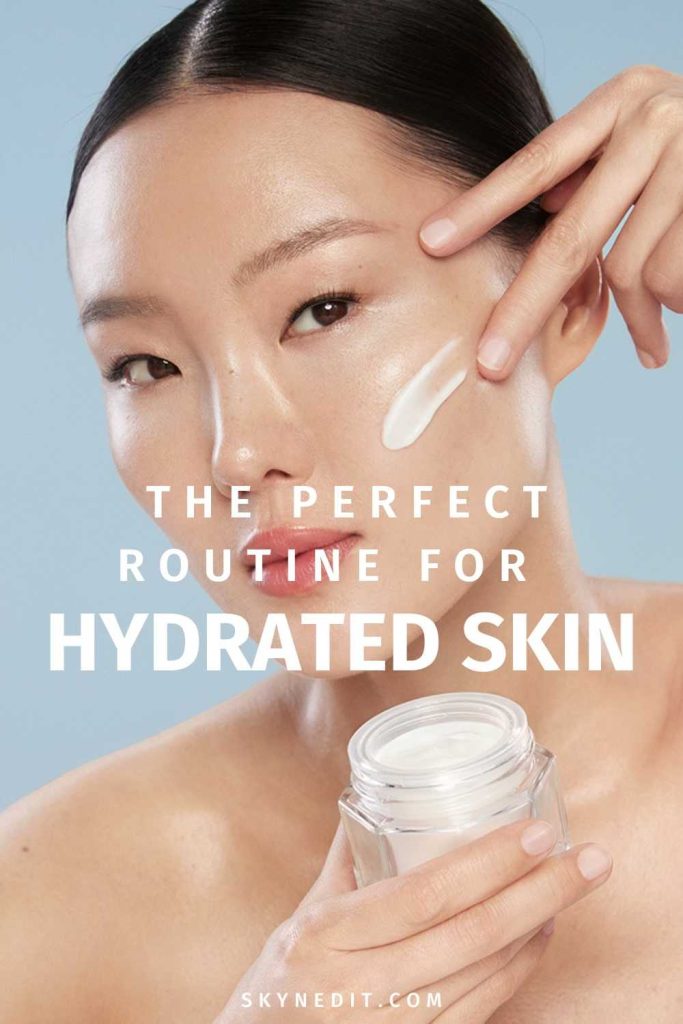
How to keep dry skin hydrated
Some steps you can consider when modifying your skin routine are:
Be gentler when cleansing
- Use lukewarm water, not hot, to avoid stripping oils.
- Choose mild, fragrance-free cleansers, and avoid antibacterial washes.
- Remember to gently pat your skin dry; never rub.
Check the ingredients on your products
Don’t be afraid to use thicker creams to improve skin hydration. Look for products with these hydrating ingredients
- Ceramides are fats that are naturally found in our skin cells and are essential for retaining moisture. Synthetic ceramides found in skin care products help to further restore the skin’s barrier and prevent moisture from escaping.
- Hyaluronic acid & glycerin are humectants. This means they can attract and bind water to the skin. The water is the ultimate source of hydration.
- Natural butters (i.e shea butter): seal moisture in
Applying Products
Always apply products on slightly damp skin to lock in moisture.
Additionally, wait at least 2 to 3 minutes between layers to ensure each product is fully absorbed.
Use a humidifier
Try installing a cool humidifier to combat dry air from arid climates or indoor heating to prevent moisture from leaving your skin.
Stay hydrated & eat skin-friendly foods.
To look healthy on the outside, you have to stay healthy on the inside. Make sure to drink enough water throughout the day to hydrate your skin. Avoid deficiencies in niacin, zinc, and iron that are linked to dry skin by eating foods rich in omega-3s and vitamin D, like salmon, vitamin A (fruits and vegetables), and vitamin E (nuts, seeds, avocados) to support skin health.
Summary:
Dry skin can result from environmental factors, aging, lifestyle habits, medical conditions, and certain medications that reduce the skin’s ability to retain moisture. Understanding the difference between hydration and moisturization is essential: humectants add water to the skin, while moisturizers seal it in. Simple changes like using gentle cleansers, applying products to damp skin, drinking enough water, eating nutrient-rich foods, and using a humidifier can help keep skin soft, healthy, and well-hydrated.